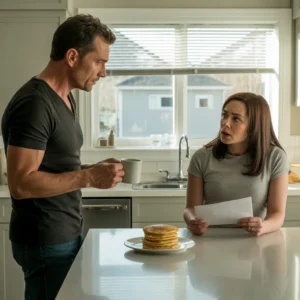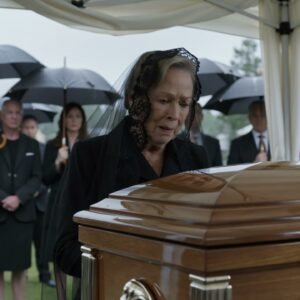
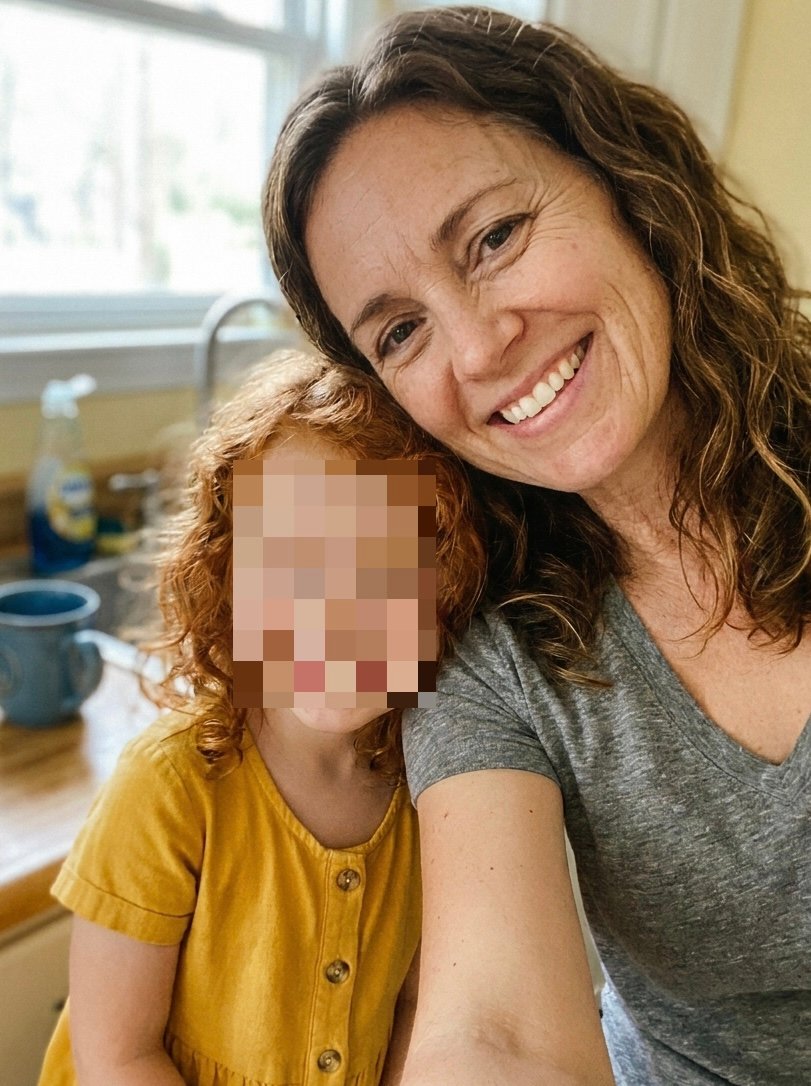
After eight years of infertility, I thought the hardest part of becoming a mother was behind me when my husband and I brought home a quiet 10-year-old girl named Lily. Then one awkward family dinner turned into the first crack in a story none of us were supposed to uncover.
My husband and I spent eight years trying to have a child.
Eight years of tests, appointments, hormones, hope, and disappointment. By the end of it, I was tired in a way that had settled into my bones. I stopped buying baby clothes I used to hide in the back of drawers. I stopped letting myself picture a little face at our table. It hurt less when I stopped imagining.
That was how we started the foster-to-adopt process.
Then one night, after another failed round and another dinner eaten in near silence, my husband Ben looked at me and said, “What if our child is already out there waiting for us?”
That was how we started the foster-to-adopt process.
By the time we visited the children’s home, we had already done the classes, the home study, the interviews, the background checks. The visit was supposed to be one step in a long process.
Instead, it changed my life.
Then I saw one girl sitting by the window.
Ben and I brought toys and treats for all the kids. The younger ones rushed us right away. They wanted the stuffed animals, the candy, the attention. Ben was laughing. I was trying not to cry.
Then I saw one girl sitting by the window.
She was older than the others. Ten years old. Quiet. Alert. Hands folded neatly in her lap.
I walked over and crouched beside her. “Hey, sweetheart. Don’t you want to pick something?”
She glanced at the other kids and said, “I’m older. I’d rather the little ones get them. They need them more. There’s already so little here.”
That was it.
Six weeks later, she came to us as a foster-to-adopt placement.
I looked at Ben. He looked back at me. Neither of us said a word, but I knew.
Her name was Lily.
Six weeks later, she came to us as a foster-to-adopt placement.
I loved her fast. Faster than I expected. Maybe because she was so careful with everything. She folded her clothes into neat little stacks. She thanked me for every meal. She hesitated before taking seconds.
The first time I told her, “You don’t have to ask for more food in your own house,” she stared at me like I had spoken another language.
Then she said softly, “Oh.”
Dinner was going well.
A month after she moved in, Ben and I hosted a family dinner so everyone could meet her.
She was nervous. I could tell by the way she kept smoothing her skirt.
“You don’t have to impress anybody,” I told her.
She looked up at me. “What if they don’t like me?”
I touched her cheek. “Then they can answer to me.”
That made her smile.
I led him into the living room.
Dinner was going well. My cousins loved her. My aunt kept offering her extra rolls. My cousin’s teenage daughter, Ava, had already promised to show Lily the upstairs game room if she got overwhelmed.
Then my father arrived late.
He came in apologizing. “Traffic was awful.”
I smiled and said, “Come meet Lily.”
I led him into the living room.
My father looked at her face.
Lily stood up politely. “Nice to meet you, sir.”
My father looked at her face.
Then at her wrist.
The glass slipped from his hand and shattered on the floor.
Everyone jumped.
“Dad?” I said. “Are you okay?”
He looked terrified. Not angry. Not confused. Terrified.
Ava nodded and gently guided Lily out of the room.
Then he said, “I need to talk to you. Now. Not in front of her.”
Lily froze.
Ben stepped in at once. “Ava, can you take Lily upstairs for a minute?”
Ava nodded and gently guided Lily out of the room.
I took my father into the kitchen and shut the door. “What is going on?”
He looked toward the ceiling, meaning upstairs.
He was pale. “Five years ago, I volunteered at a chapel in another county. Sometimes we helped with burial services for children in state care when nobody else came. There was one little girl. Around five years old. I remembered her because almost no one attended. Just me, the chapel director, and a worker from the children’s home.”
My mouth went dry. “And?”
He looked toward the ceiling, meaning upstairs. “At first I thought it was just a resemblance. Then I saw the bracelet. I have thought about that bracelet for five years.”
I didn’t sleep that night.
“What bracelet?”
“The silver one with the flower charm. The worker listed it with the child’s belongings. She said it should stay with her.”
I didn’t sleep that night.
The next morning, I sat on the edge of Lily’s bed. “I need to ask you something about your bracelet.”
She touched it automatically. “Okay.”
“How long have you had it?”
“As long as I can remember.”
I called the children’s home immediately and asked for Lily’s full file.
“Can I see it?”
She held out her wrist. Tiny silver chain. Flower charm. On the inside, barely visible, was one engraved letter.
M.
Not L.
I called the children’s home immediately and asked for Lily’s full file.
The director started with, “We already gave you the placement records.”
Then I mentioned the bracelet and the county my father remembered.
“I need everything.”
There was a pause. Then I mentioned the bracelet and the county my father remembered.
Her tone changed. “Come in person.”
Ben drove. I went through Lily’s paperwork in the car, really looked this time. The file had gaps all over it. Missing dates. Vague summaries. Transfers with almost no detail. One page called her Lily. Another older page had a different name partly crossed out.
Mara.
That was when I hired an attorney.
At the children’s home, the director closed her office door and said, “When Lily arrived here three years ago, I flagged the gaps in her records. The state sent back a note saying the prior home had closed and the remaining records were considered sufficient. I hated it, but I had nothing else.”
“Who sent the note?” I asked.
She hesitated. “A woman named Diane.”
My father, who had insisted on coming, went still. “Diane was the worker at the burial.”
Same scar under the chin.
That was when I hired an attorney.
He moved fast. Two days later, he got us access to redacted dependency records through the county office. Ben and I sat in a cold room turning pages while Lily waited outside with my father and a social worker.
We found it.
Five years earlier, a child named Mara had been recorded as deceased during a winter illness outbreak at a failing children’s home.
Three months later, a child named Lily appeared in another county under an older incomplete file that had been reopened and updated.
Our attorney tracked Diane to a small apartment over a laundromat.
Same birth year.
Same scar under the chin.
Same intake photo.
When Lily was finally allowed inside to see the page, she stared at it and whispered, “That’s me.”
Our attorney tracked Diane to a small apartment over a laundromat.
I still don’t know if bringing Lily there was the right choice. I only know that after so many adults had decided things over her head, I could not stand the idea of excluding her again.
“She should have been told the truth years ago.”
When Diane opened the door and saw Lily, her face fell apart.
She said, “You shouldn’t be here.”
Ben answered, “She should have been told the truth years ago.”
Inside, Diane tried to dodge for maybe a minute. Then she sat down and started crying.
Years earlier, Mara had been living in a badly run children’s home during a winter outbreak. Another girl around the same age died. Her records were a mess. In the confusion, Mara’s file was wrongly closed as though she had died too.
“You let a living child stay dead on paper?”
I said, “So you corrected it.”
Diane shook her head. “No.”
My father looked furious. “You let a living child stay dead on paper?”
“The home was already under investigation,” Diane said. “If the mistake came out, Mara would have been trapped in hearings and emergency transfers. I told myself I was protecting her.”
“You erased her,” I said.
Then Lily spoke.