After she drove away, I locked the door out of habit rather than fear and stood with my hand on the new deadbolt. The metal was cool under my fingers. Behind me, the house held its familiar evening sounds: the dishwasher, the ceiling vent, the distant creak of the upstairs floorboards settling with the temperature.
Ordinary sounds. Safe sounds. Mine.
People sometimes ask, if the topic comes up, whether I regret going that far. They mean the paperwork, the police, the changed locks, the no-trespass letter, the refusal to smooth it over. They mean refusing to make my own injury easier for other people to tolerate.
And no, I don’t regret it. What I regret is how long it took me to understand that my boundaries were never unclear. They were simply inconvenient to people accustomed to bypassing them.
I regret the years I spent mistaking discomfort for disloyalty. The times I let the word family stand in for obedience. I regret giving a spare key to someone who believed access was the same thing as authority.
But I do not regret the moment I stopped the pattern. When I think back to that week, the images come in a series of hard, bright flashes. Rachel’s name on the cardboard box.
My mother holding my blanket. The dispatcher’s calm voice on speaker. The key landing on the counter.
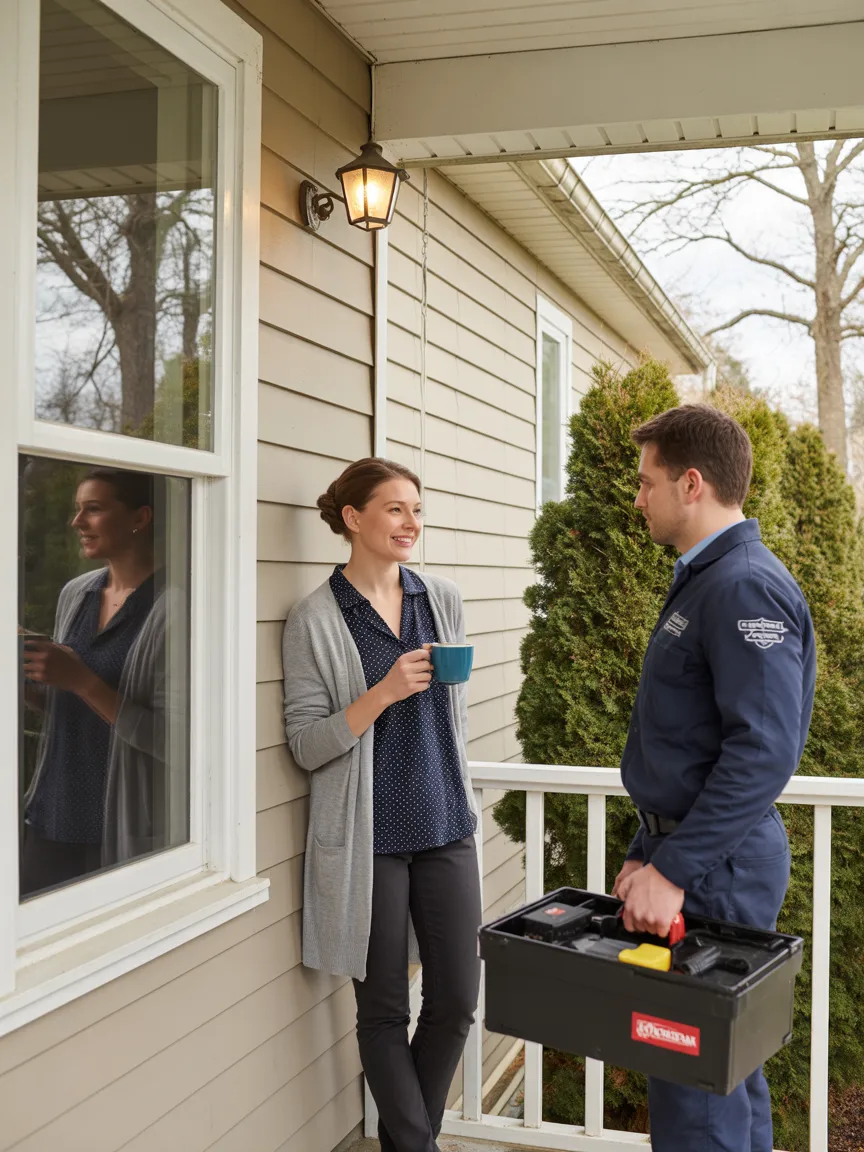
Metal scraping against my lock at dawn. The locksmith shifting from confidence to discomfort. My mother looking up and seeing me at the window with coffee.
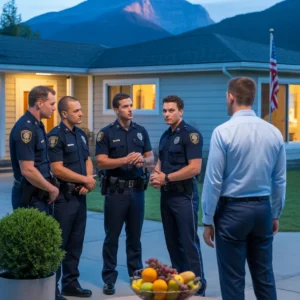
The officer saying, that’s not a legal category of ownership. The click of my new deadbolt sliding home. What changed my life was not the fight itself.
It was the clarity afterward. The understanding that some people do not test your limits because they are confused about them. They test them because they have benefited from your flexibility for years and want to see if the old system is still running.
Mine wasn’t. That does not make me cold. It does not make me selfish or dramatic or ungrateful.
It makes me someone who learned the difference between generosity and surrender, between a door held open and a door held open at knifepoint and called hospitality. My house still has three bedrooms. No one has a key.
There is a lockbox code for genuine emergencies, a trusted neighbor, systems that do not require me to hand symbolic access to someone who once treated it as a crown. Trust, I learned, is not sentimental. It is structural.
It lives in action, in respect, in whether someone understands that being allowed in is a privilege and not a loophole. Some doors require invitation. Some require humility.
Some require a history of not using access as leverage. Mine does. And the quiet on the other side of that requirement is the best thing I have ever built.